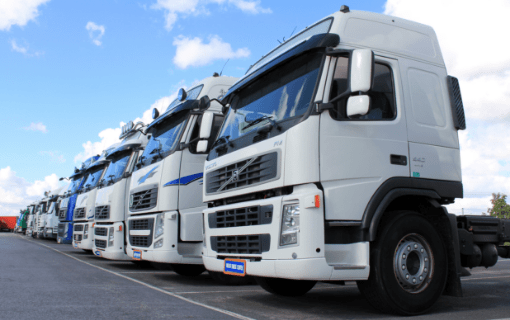

Trucking logistics forms the backbone of modern supply chains, moving the vast majority of goods across the United States and beyond. In 2026, trucking continues to handle over 70% of domestic freight tonnage, transporting billions of tons of cargo annually through an extensive network of more than half a million authorized carriers and millions of related workers. This mode of transportation is indispensable because it provides flexible, door-to-door delivery that other methods like rail or air cannot match in accessibility and cost-effectiveness for most shipments. From raw materials to finished products, trucks ensure that everything from construction supplies to consumer goods reaches warehouses, retailers, and end customers efficiently, supporting economic activity in every region.
The process of trucking logistics involves several interconnected steps, starting with load planning and routing to optimize paths, minimize empty miles, and reduce costs. Once a shipment is booked, goods are loaded securely—often onto flatbed trailers for oversized or heavy items—and drivers coordinate pickups and deliveries while adhering to regulations on hours of service, weight limits, and safety standards. Real-time tracking technologies, GPS, and electronic logging devices keep stakeholders informed, allowing for adjustments in case of delays from traffic, weather, or other issues. Upon arrival, unloading and documentation complete the cycle, with data feeding back into systems for billing, performance analysis, and future planning.
In 2026, the industry faces ongoing challenges that test its resilience, including persistent economic pressures from a prolonged freight recession, rising operating costs for fuel, insurance, and labor, and a driver shortage that tightens capacity. Additional risks such as increasing cargo theft, regulatory changes, and the push toward sustainability add complexity, while emerging trends like AI-driven optimization, automation, and electrification offer pathways to greater efficiency and reliability. Despite these hurdles, trucking logistics remains vital, adapting through technology and strategic planning to keep goods moving reliably in an ever-evolving global economy.